Cargo & Logistics hubs
Harness the power of eFTI and Peppol Logistics to enable full digital interoperability, automate compliance, and optimize operational efficiency across your entire hub infrastructure

Fully digital data foundation & lower operational costs
eFTI and Peppol Logistics ensure that all transport documents, including eCMR, manifests, booking data, arrival information, and cargo details, are delivered in a standardized digital format.
For cargo and logistics hubs, this means:
No manual data entry or paper-based workflows
Fewer errors, lower processing costs, and faster cargo handling
Automatic authority reporting through the eFTI interface
Together, these capabilities significantly reduce administrative workload and overall turnaround time.
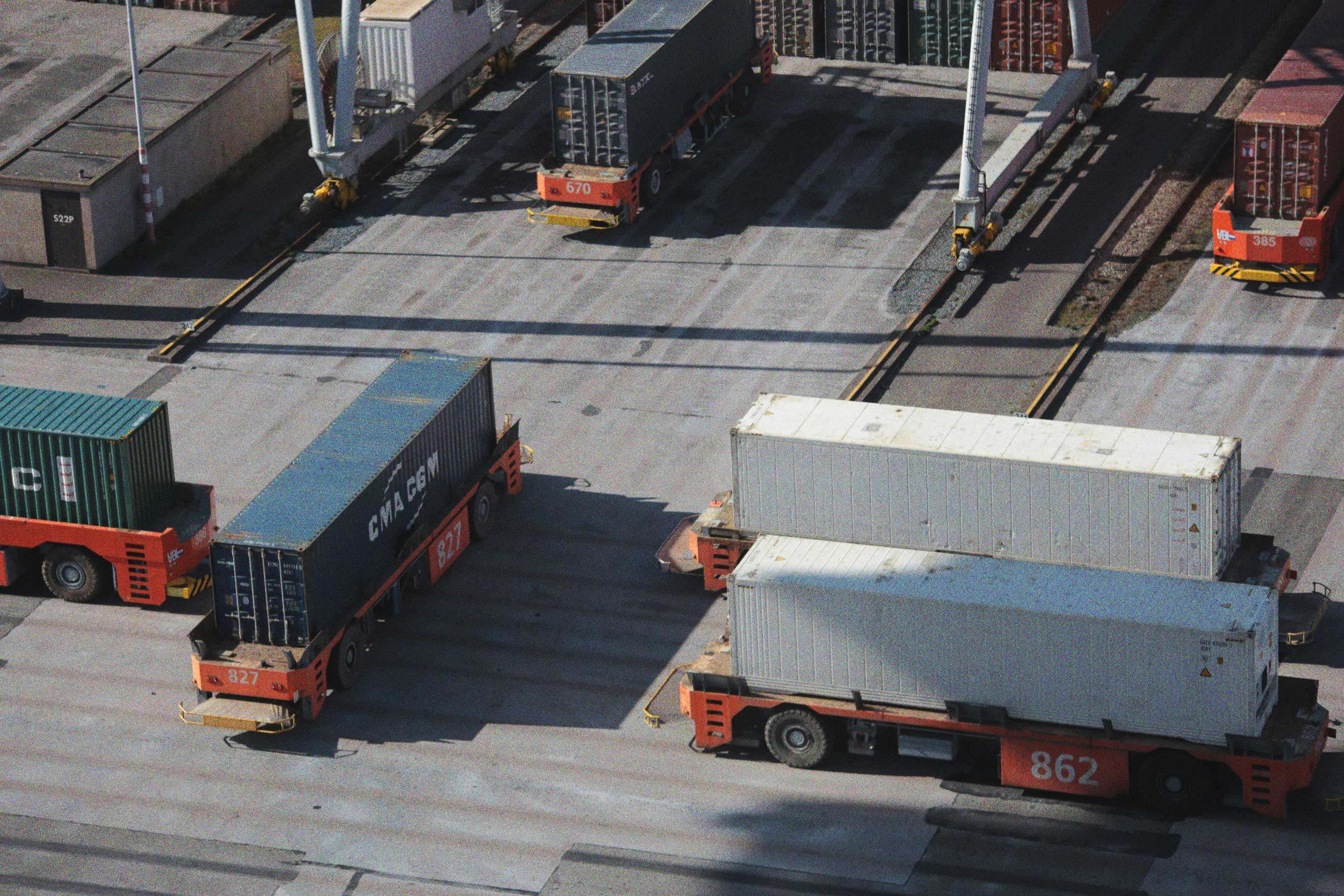

End‑to‑End visibility& real‑time transport status
Peppol standards support seamless exchange of structured transport updates directly between carriers, terminals, and hub systems. With the Semantic API, which connects to IATA, IATA One Record, IMO data compendia, MSW, and eMSW, cargo and logistics hubs gain a unified, multimodal data foundation that spans air, sea, and land movements.
Ports, airports, and logistics hubs benefit from:
Real-time visibility of arrivals, deviations, and waiting times
Digital pre‑notifications before trucks, trailers, vessels, or containers reach the gate
Enhanced capacity management for ramps, gates, yards, berths, and terminal equipment
This creates a seamless flow across transport modes, reduces bottlenecks, and ensures more efficient utilization of critical infrastructure.
Automated compliance, security & control
With eFTI and Peppol, authorities can access digital cargo documentation instantly - without paper or manual inspection.
For hubs, this ensures:
Faster security and customs procedures
QR-code-based checks with no physical documentation required
Automatic compliance with cabotage rules, dangerous goods regulations, weight declarations, CSD/ICS2, and other legal requirements
This creates a seamless flow across transport modes, reduces bottlenecks, and ensures more efficient utilization of critical infrastructure.


Improved ESG data, automated reporting & AI‑driven optimization
Because all data is exchanged digitally in a unified format, hubs can automatically capture:
Fuel consumption and emissions metrics
Timestamps for arrival, handling and waiting events
KPIs for capacity utilization and operational performance
This provides a strong foundation for regulatory reporting as well as advanced analytics - supporting capacity planning, bottleneck reduction and CO₂ optimization through AI-powered insights.
Start your digital journey
Get in touch with our team for a personalised demo and integration consultation today.